

Anchor
“Let us not grow weary while doing good, for in due season we shall reap if we do not lose heart.”
— Galatians 6:9 (NKJV)
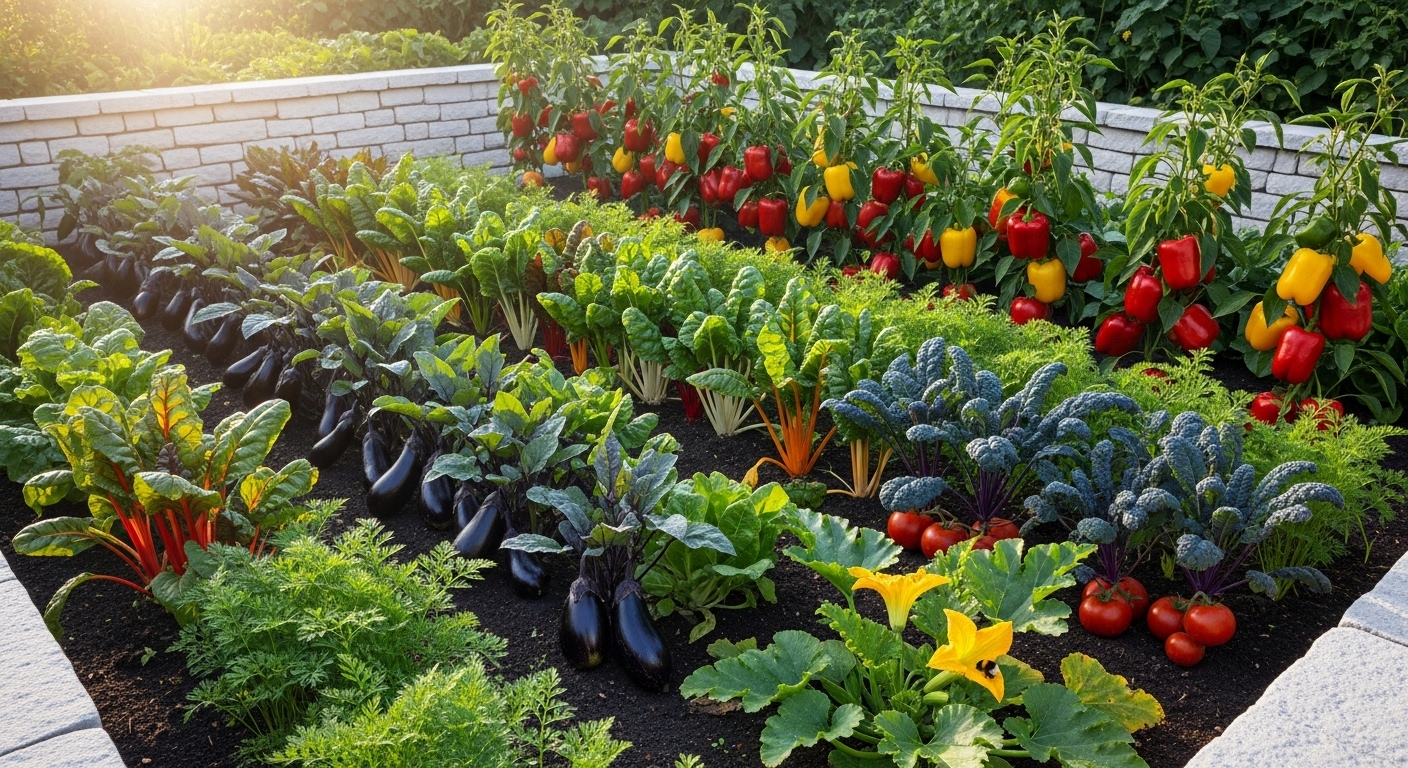
Growth is not instant it is very intentional. Every garden has its seasons: planting, pruning, waiting, and blooming. In the same way, our spiritual and emotional wellness grows through patience and care. Spiritual wellness is cultivated in seasons, not seconds.
There was a time I prayed for a breakthrough and felt nothing was happening. I was showing up, praying faithfully, and still felt stuck. Some days I cried, some I laughed to keep from crying. But over time I realized that God was doing His deepest work beneath the surface. Just because I couldn’t see growth didn’t mean there wasn’t life forming underground. Healing and purpose develop like roots, quietly, steadily, and unseen. God calls us not just to endure the growing season but to trust it.
The Spiritual Side of Growth
Faith has a rhythm. It grows through prayer, practice, patience, and perseverance. Paul’s words remind us that weariness often precedes harvest. When we stay rooted in faith, grace becomes our source of water. Jesus used the language of seeds and soil, usually because growth requires surrender. The seed doesn’t control the rain or the sun; it simply stays planted. Likewise, we flourish when we remain grounded in God’s timing rather than our own expectations.
The P.E.A.C.E. Path™ reflects this same truth. Prayer softens the soil of the heart, movement strengthens endurance, and rest allows regeneration. Growth takes both divine grace and intentional tending.
Faith Meets Science
Behavioral and public health research supports what Scripture teaches: that transformation happens gradually. The National Institutes of Health (NIH) notes that sustainable lifestyle change requires consistency, reflection, and rest, not urgency. Similarly, the American Psychological Association (APA) reports that growth mindsets occur when one believes that change unfolds over time, which leads to higher resilience and emotional well-being.
In both science and faith, growth requires grace. Pressure pushes us, but patience nurtures us. When we allow ourselves room to heal slowly, our nervous system stabilizes, creativity returns, and peace becomes possible again.
Practical Practice: Cultivate Your Garden of Grace
This week, focus on tending your “inner garden.”
- Pull the weeds: Identify thoughts or habits that choke your peace.
- Water with prayer: Spend five quiet minutes a day thanking God for what’s growing, even if you can’t see it yet.
- Rest in the rhythm: Give yourself permission to pause. Growth often happens while you rest.
- Notice the sprouts: Celebrate one small sign of progress like a calmer reaction, a clearer boundary, or a peaceful morning.
Your season of growth doesn’t need to look productive to be powerful.
Pause and Ponder
What part of my life needs grace, not pressure, in this growing season?
Be Encouraged
You are not behind, you are becoming. God never rushes growth; He refines it. Every seed you’ve planted in faith is being nurtured by His timing. When impatience whispers, remember: roots take time before fruit appears. Keep showing up. Keep tending your soul. In due season, you will see the harvest of peace, purpose, and wholeness that God has been cultivating all along.
Take Action
This week, write one sentence each day beginning with “Today I’m growing in…” and complete it honestly. At the end of the week, reread your notes and thank God for the quiet progress taking place.
References
American Psychological Association. (2022). Developing resilience. Retrieved from https://www.apa.org/topics/resilience
National Institutes of Health. (2023). Creating healthy habits: Small steps lead to big change.
National Heart, Lung, and Blood Institute. Retrieved from https://www.nhlbi.nih.gov/health/healthy-habits
University of California, Berkeley, Greater Good Science Center. (2023). Why patience is a virtue for mental health.Retrieved from https://greatergood.berkeley.edu/article/item/why_patience_is_a_virtue_for_mental_health
The Holy Bible, New King James Version. (1982). Galatians 6:9. Thomas Nelson.
Comments are closed